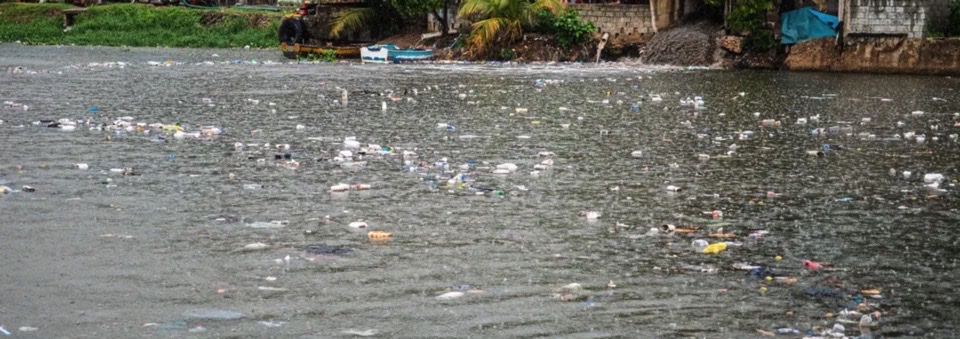
The Problem
Plastic pollution in rivers is a significant environmental problem with severe consequences for ecosystems and human health. Rivers act as conduits, transporting plastic waste from land to the oceans, but they are also directly impacted by this pollution. The plastic can entangle and harm wildlife, enter the food chain as microplastics, and contaminate water sources.
Key aspects of plastic pollution in rivers:
- Rivers are major pathways for plastic debris to reach the oceans, with estimates suggesting that a large percentage of ocean plastic originates from river systems.
- Plastic waste can entangle and suffocate aquatic animals, while microplastics are ingested by fish and other organisms, potentially impacting their health and entering the food chain.
- Microplastics have been found in drinking water and food sources, raising concerns about potential long-term health effects.
- Plastic pollution can lead to economic losses through decreased tourism, damage to infrastructure, and increased costs for water treatment.
- Plastic pollution can negatively affect recreational activities, reduce access to clean water, and impact the aesthetic value of rivers.
Specific examples:
- A study indicated that five major streams in the Durban area alone may carry as much as 1,340 tons of plastic towards the Indian Ocean.
- The Nile River, which supports over 300 million people, is heavily polluted with plastic, threatening biodiversity and water quality, according to Blue Water Intelligence.
Aenean commodo ligule eget dolor. Aenaen massa, Cum soolis natoque penatibus et magnis dis parturient montes nascetur ridiculus mus.Turpis egestes maecenas pharetra convallis posuere morbi
Gallery
Contact
7777 Davie Road Ex Suite 203, Hollywood, FL 33024
+1 415 634 5228
info@carbonyam.us
The SOLUTION
Addressing the issue:
- Reducing plastic consumption and improving waste management practices are crucial to preventing plastic from entering rivers in the first place.
- Various technologies and initiatives are being developed to remove plastic from rivers, such as trash wheels, solar-powered barges, and floating barriers.
- Community effort is needed to address plastic pollution, including the development of a plastic manufacturing solutions and efforts to tackle the issue at its source
Our Portfolio
Our Recent Works
